Cake Mix Sizes Have Changed: How to Make a Simple Cake Mix Extender

Published Oct 04, 2026
This post may contain affiliate sales links. Please see our full disclosure policy for details.
If you’ve ever needed a cake mix extender for an older recipe, you already know the frustration. You pull out a recipe that calls for a 15.25-ounce box of cake mix, or maybe even an 18.25-ounce box, but the box on your pantry shelf today is a good bit smaller.
Cake mix companies have been quietly shrinking their boxes for years, and it’s left a lot of home bakers wondering if their favorite recipes will still turn out right. The good news is that once you know what to look for, it’s usually pretty easy to adjust.
This isn’t something I only noticed at the grocery store, either.
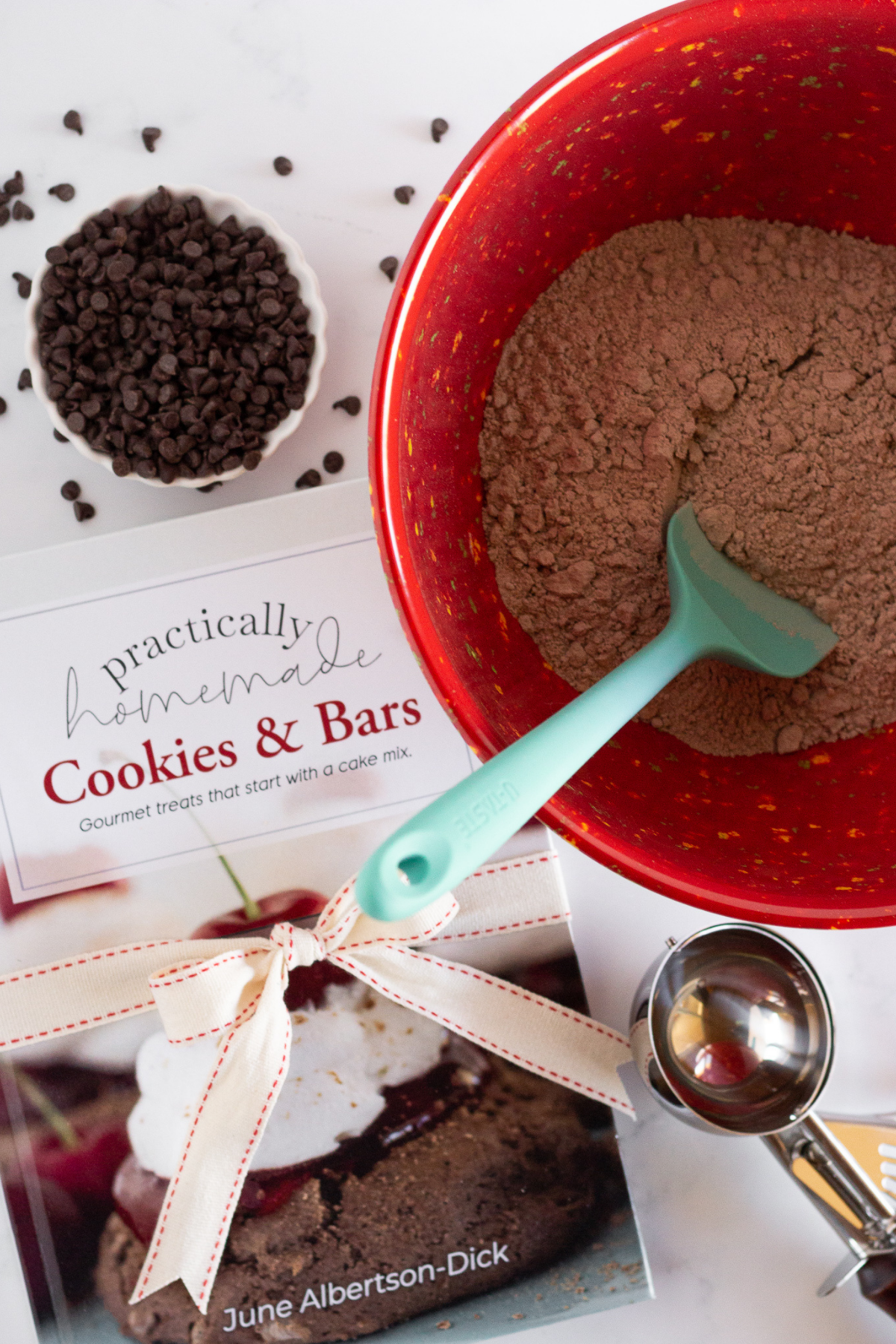
Table of Contents
- Cake Mix Sizes Changed While I Was Writing My Cookbook
- Why Did Cake Mix Boxes Get Smaller?
- What Size Is a Box of Cake Mix Today?
- Does a Couple Ounces Really Matter?
- When Cake Mix Size Matters Most
- How to Make a Cake Mix Extender
- What if the Gap is Bigger? (18.25 oz. recipes)
- A Few Tips for Using Older Cake Mix Recipes
- What Cake Mix Size Does Practically Homemade Use?
- FAQs
- More Helpful Baking Resources
Cake Mix Sizes Changed While I Was Writing My Cookbook
When I started developing recipes for Practically Homemade Cookies & Bars, every cake mix I bought was 15.25 ounces. I built dozens of recipes around that size, testing and retesting until I had them exactly right.
About two months into writing the cookbook, I went to grab my usual cake mix and noticed something was off. The boxes had changed to 13.25 ounces. Just like that, one of the main ingredients in my entire cookbook was suddenly smaller.
I’ll be honest, I panicked a little. I had already developed so many recipes with the larger boxes, and I needed to know if they would still work with the new ones.
So I went back into the kitchen and started remaking a handful of recipes with the new 13.25-ounce boxes to see what happened. Through that testing, I found that adding somewhere between 2 tablespoons and ¼ cup of all-purpose flour, depending on the recipe, helped bring things back to where they needed to be.
The good news is that I found a fix. The bad news is that I then had to go back through every recipe in the cookbook and make sure the adjustments were right.
A change of just 2 ounces doesn’t sound like much, but in recipes like cookies and bars, where there isn’t a lot of extra liquid to balance things out, that difference in dry ingredients matters more than you’d think.
To be clear, adding 2 tablespoons to ¼ cup of flour isn’t a rule for every recipe out there. It’s what worked for the specific recipes I had already developed and tested. But it gave me a starting point, and it’s the same starting point I want to share with you.
Why Did Cake Mix Boxes Get Smaller?
Cake mix used to come in a pretty standard 18.25-ounce box. Over the years, that size crept down in stages, eventually landing at 15.25 ounces, which became the new standard for a long stretch. More recently, some brands have dropped even further.
Manufacturers haven’t really explained why, at least not publicly. Most people chalk it up to rising ingredient costs, the same reason you’ll hear people use the word shrinkflation for everything from ice cream to snack bags lately. Cake mix just happens to be one of the more noticeable examples, especially if you bake often.
The short version is this: the boxes got smaller, the price mostly didn’t, and nobody sent out a memo about it.
What Size Is a Box of Cake Mix Today?
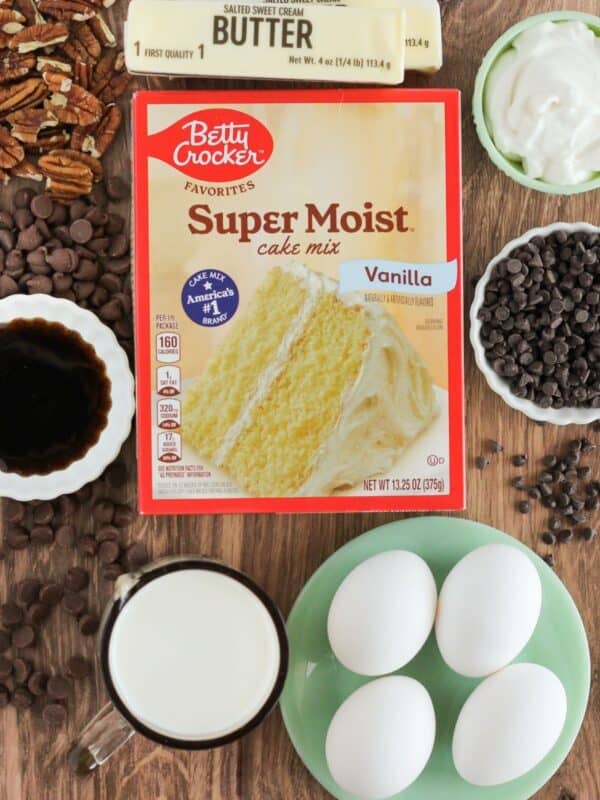
This is where it gets a little confusing, because the answer depends on which brand you pick up. Right now, Betty Crocker mixes tend to run smaller, typically around 13.25 ounces for most flavors. Duncan Hines and Pillsbury tend to run a bit larger, typically around 15.25 ounces.
That said, treat these as general ranges rather than hard rules. Sizes can vary by flavor, and they can change again without much notice, as they already have more than once. The best thing to do is just glance at the ounces printed on the box before you start baking, especially if you’re working from an older recipe.
Does a Couple Ounces Really Matter?
It depends on what you’re making. If you’re baking a cake with plenty of liquid, like water, oil, eggs, or maybe pudding mix, a small difference in cake mix size usually isn’t something you’ll notice. There’s enough moisture in the recipe to absorb the change.
Cookies and bars are a different story. In those recipes, the cake mix makes up a much bigger share of the dry ingredients, so a couple fewer ounces can actually shift the balance of the dough. That’s the kind of change that can leave you with a softer dough, more spread while baking, or cookies that just don’t look quite like the photo.
So before you worry about adjusting anything, it helps to know what kind of recipe you’re working with in the first place.
When Cake Mix Size Matters Most
Cake Mix Cookies
This is where a smaller box tends to give you the most trouble. Cake mix makes up a big share of the dry ingredients in a cake mix cookie, so when the box gets smaller, the balance between dry and wet ingredients shifts too. You might notice softer dough, more spread in the oven, or cookies that bake up thinner than you expected.
If you want to get more comfortable with how cake mix cookies come together in general, be sure to read my Cake Mix Cookie Tips and check out the Cake Mix Cookie Hub for the full collection of recipes!
Cake Mix Bars
Bars run into the same issue as cookies, just in a different shape. The mix is doing a lot of the structural work, so a smaller box can mean a softer batter, a different thickness, or bars that need a few extra minutes in the oven to set up.
Pay special attention to cake mix sizes when you’re making Chocolate Chip Cookie Bars, Salted Caramel Butter Bars, or Lemon Cake Mix Bars.
Cakes and Cupcakes
Cakes and cupcakes tend to be more forgiving. These recipes usually include more liquid, milk, water, oil, eggs, sometimes sour cream or pudding mix, which helps balance out a smaller box of dry mix. That doesn’t mean it never matters, but it’s less likely to make or break the recipe the way it can with cookies or bars.
I also have a whole post on how to make cake mix taste homemade, which is a great one for any beginning baker to read.
Bundt Cakes
Bundt cakes rely on structure to hold that shape once they’re out of the pan, so this is one place worth paying closer attention. I’ve been developing my newer bundt recipes with today’s smaller cake mix sizes in mind, so if you’re working from an older bundt recipe, it’s worth a second look.
My Bundt Cake Tips post goes deeper into getting any bundt cake recipes right.
Dump Cakes and Cobblers
In dump cakes and cobblers, the cake mix is usually sitting on top as a topping rather than mixed into a batter, so a smaller box typically isn’t something you’ll notice. If you love recipes like this, my Easy Blueberry Cobbler, Lemon Dump Cake, and Cake Mix Peach Cobbler are all great places to start.
How to Make a Cake Mix Extender
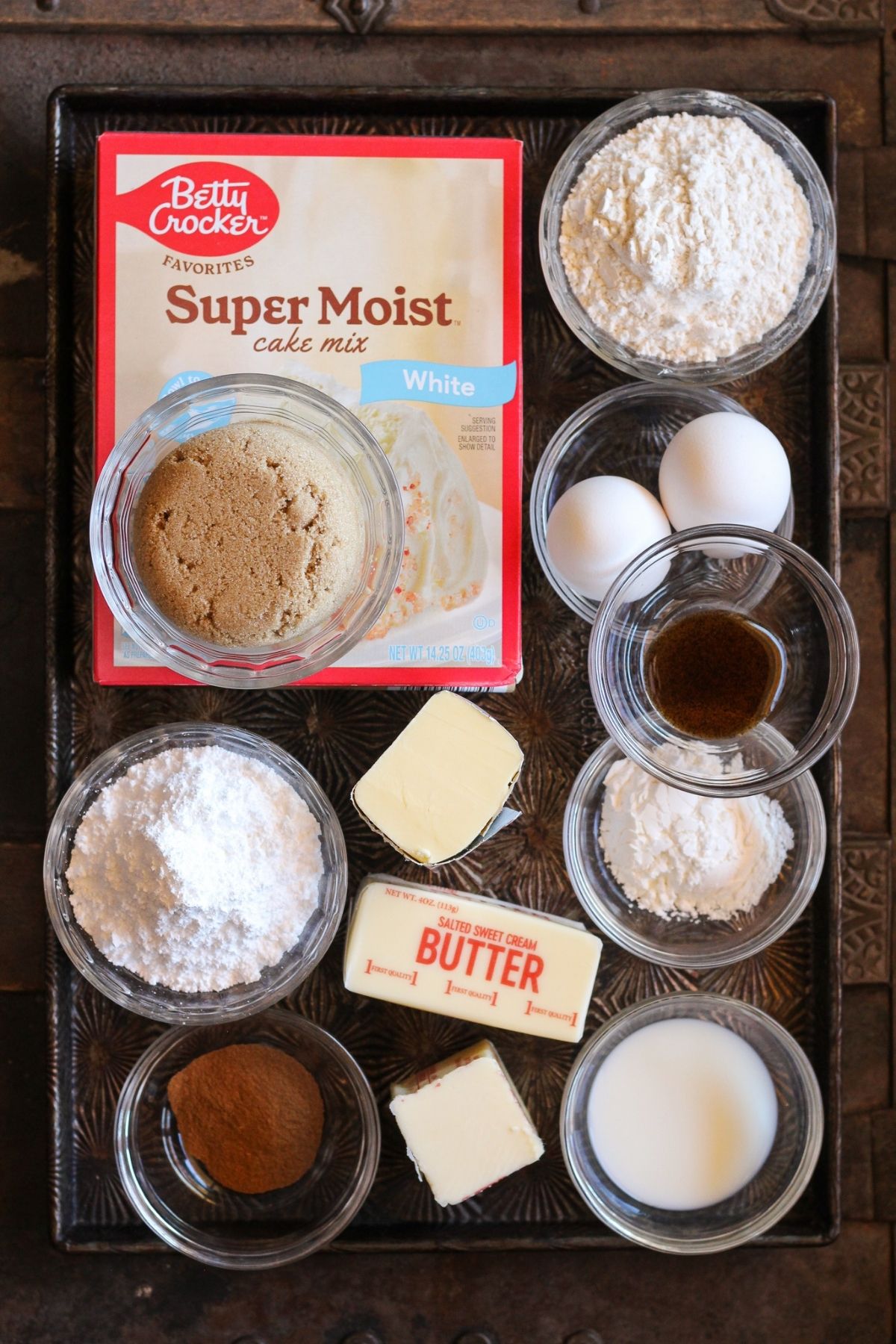
If your recipe calls for more cake mix than what’s actually in your box, a simple cake mix extender can help close that gap. The idea is easy: add a little extra all-purpose flour to make up for the missing ounces.
When I was retesting recipes for my cookbook after cake mix boxes went from 15.25 ounces to 13.25 ounces, I found that adding 2 tablespoons to ¼ cup of all-purpose flour helped, depending on the recipe. Cookies and bars generally needed more adjustment than cakes because the cake mix makes up a larger portion of their dry ingredients.
That’s not a strict formula for every recipe, but it’s a reliable starting point if you’re working with the same 2-ounce difference.
Whisk the extra flour right into your dry cake mix before you add anything wet, then follow the rest of your recipe as written.
What if the Gap is Bigger? (18.25 oz. recipes)
Some older recipes, especially family recipes that have been passed down for years, call for the full 18.25-ounce box. That’s a much bigger gap to fill than the 2 or 3 ounces most people are dealing with today.
At that point, flour alone starts to feel like a stretch. Instead, it’s usually simpler to just buy a second box of cake mix and measure out what you need to fill the difference. A plain white or yellow mix works well for this since it won’t compete with the flavor of whatever you’re baking, and you can keep the extra in the freezer until you need it again.
If it’s a recipe you make often, it’s also worth checking whether there’s a newer version of it floating around that’s already been updated for today’s smaller boxes.
A Few Tips for Using Older Cake Mix Recipes
- Check the size before you start. Look at what your recipe calls for and compare it to the ounces printed on your box. It only takes a second and saves you from guessing later.
- Pay closer attention with cookies and bars. These are the recipes most likely to notice a smaller box, so it’s worth double checking before you bake.
- Watch the dough or batter, not just the numbers. If it looks noticeably thinner or wetter than you’d expect, that’s a better signal than the ounces on the box.
- Go by how it looks, not just the clock. A smaller cake mix can sometimes bake a little faster, so use visual cues for doneness alongside the time listed.
- Write down what worked. If it’s a recipe you come back to often, jotting down your adjustment means you won’t have to figure it out again next time.
What Cake Mix Size Does Practically Homemade Use?
New recipes here at Practically Homemade are developed and tested using the cake mix size listed right in the recipe card, and many of my newer recipes are built around today’s smaller boxes.
Some of my older recipes were originally developed back when larger boxes were standard. I’m working through older posts over time to update them for today’s sizes, so if you come across a recipe that seems a little out of step, that’s likely why.
FAQs
It depends on the brand you buy. Right now, Betty Crocker tends to run around 13.25 ounces for most flavors, while Duncan Hines and Pillsbury tend to run closer to 15.25 ounces. Always check the box, since sizes can vary by flavor and change over time.
Yes. Betty Crocker mixes have gotten smaller over the years, along with most other major brands.
In most cases, yes. Cakes and cupcakes are usually forgiving enough that you won’t notice much difference. Cookies and bars are more likely to need a small adjustment, since the cake mix makes up more of the dry ingredients in those recipes.
It can, especially with cookies and bars. A smaller box sometimes bakes a little faster, so I would rely more on visual signs of doneness rather than the time listed alone.
If you’re adapting one of my older recipes from a 15.25-ounce cake mix to a 13.25-ounce box, I’ve found that 2 tablespoons to ¼ cup of all-purpose flour works well, depending on the recipe. Cookies and bars usually need more adjustment than cakes. For other recipes, use this as a starting point rather than a strict formula.
More Helpful Baking Resources
- How to Make a Cake Mix Taste Homemade (10 Easy Upgrades)
- Can you Substitute Vanilla Cake Mix for White Cake Mix?
- The Best Bundt Cake Tips for the Perfect Cake
- Easy Cookie Baking Tips for Better Cookies
- 10 Common Baking Substitutes when your Pantry is Running Low
- How to Make Cake Mix Cookies: 7 Essential Tips to Make the Most Delicious Cookies Easily